

Turn review time into real growth. This guide offers a practical, copy-and-tailor list of short, usable lines that help managers and employee pairs make feedback clear and helpful.
You’ll get ready-to-use phrases, quick templates, and ways to tie feedback to goals and outcomes. Use them to move from vague notes to actions that improve day-to-day work.
Today’s teams need faster feedback loops instead of a once-a-year meeting that feels disconnected. This post gives examples across communication, time management, quality of work, attitude, initiative, creativity, customer focus, and leadership so readers can jump where it fits.
We use a simple frame: observable behavior → impact → next step. That keeps comments specific, balanced, and actionable. Treat the lines here as inspiration, not a script, so feedback sounds human and tied to the employee’s real work.
Key Takeaways
- Ready-to-use phrases speed up meaningful conversations.
- Link feedback to goals to boost clarity and results.
- Short, behavior-focused notes create action.
- Use examples across common categories to find fit.
- Make feedback timely to keep teams engaged and motivated.
What a Performance Review Is and Why It Matters in Today’s Workplace
A performance review is a structured, two-way conversation where managers and employees discuss past work, clarify expectations, and set goals for the next cycle.
Good sessions include self-assessments, peer input when useful, and clear notes about what to keep doing and what to change. This makes the meeting less about judgment and more about growth.
How this fits into management:
- The review creates a repeatable process for alignment and coaching across teams.
- It helps leaders make better talent decisions and gives team members direction for development.
Regular check-ins—monthly or project-based quick talks plus quarterly or formal cycles—keep expectations current and reduce surprises. That cadence makes feedback timely and actionable.
Focus the conversation on observable work and outcomes, not personality. When the approach centers on employee performance, recognition and clear guidance boost engagement and confidence.
Why Performance Review Phrases Make or Break Employee Performance
Words shape action: the language you use in a feedback talk often decides whether an employee changes their day-to-day work.
Clear, behavior-based wording reduces misunderstanding. Vague comments leave people guessing. Specific phrases describe what happened, the impact, and the next step.
Clear expectations with behavior-based language
Say what you saw. Name the task, the observable behavior, and the business outcome. That way, the employee knows the exact way to repeat success.
Balanced feedback that builds trust
Mix strengths with areas to improve. Anchoring notes in facts keeps the conversation respectful and reduces defensiveness.
Actionable guidance that leads to measurable improvement
Good comments name a next step, define what “good” looks like, and set a date to check progress. This turns feedback into real action.
| Focus | What to say | Follow-up |
|---|---|---|
| Behavior | “You submitted the report two days early.” | Keep the same pace; share your process in the next meeting. |
| Impact | “Early delivery let the team finalize client materials sooner.” | Track turnaround time for two projects. |
| Action | “Let’s aim for one checkpoint per week to avoid last-minute work.” | Review progress in four weeks. |
- Mini checklist: specific behavior, clear impact, measurable improvement target.
- People-first management links to better outcomes — teams with this approach tend to outperform peers and keep more talent.
- Avoid comparisons, absolute labels, and dumping a year’s notes into one talk.
Next up: practical, plug-and-play phrases you can tailor so feedback feels personal and useful.
Performance review examples managers can copy and tailor
Good feedback starts with a clear, short line that ties a specific action to its outcome. Keep notes specific, tied to goals, and easy to adapt so comments feel personal instead of scripted.
How to use these lines without sounding scripted
Personalize fast: swap in the real project name, metric, stakeholder, and concrete result. That anchors the comment in actual work.
A quick template for writing comments: behavior, impact, next step
Behavior → Impact → Next step turns opinion into coaching. Describe the observable task, note the effect on the team or goal, and give one clear action to try next.
- Micro-template: Continue / Start / Stop — helps craft short, actionable comments.
- Capture simple facts: deadlines met, error rates, response times, and meeting contributions.
How to keep feedback objective with observable examples from work
Use measurable anchors rather than interpretations. Cite dates, counts, or direct quotes from meetings. These details keep the conversation fair and verifiable.
“Note one or two small wins and one clear area for growth; invite the employee to add context.”
Make it a two-way process: ask for a short self-summary and any obstacles. This keeps tone direct but supportive and turns the review into a real conversation.
Communication and Teamwork Performance Review Examples
Clear, timely communication drives project momentum and keeps team members aligned. Use short, specific comments that tie a behavior to its impact and a next step.
Positive feedback for communication skills
“You summarized the client call in three bullets, which helped colleagues act right away.”
“Thank you for inviting quieter team members to speak in the demo; it improved buy-in.”
Constructive feedback for communication breakdowns
“Your email missed key dates; it caused a delayed handoff. Next step: add a short timeline and ask one clarifying question before sending.”
Positive teamwork and collaboration comments
“You coordinated the cross-functional call and kept action items clear, which sped up decisions.”
“Regularly sharing your notes has helped other team members reduce duplicate work.”
Constructive teamwork phrases
“During the design meeting, some colleagues weren’t invited. For better inclusion, confirm the attendee list before decisions.”
“When conflict arises, pause and summarize each side’s point to keep the team moving toward a shared solution.”
Self-performance review lines employees can use
Strength: “I clarified technical steps for stakeholders, which cut back-and-forth by half.”
Growth: “I will ask two clarifying questions before executing to avoid missing context.”
Next step menu: practice active listening; summarize decisions; set a weekly update cadence; ask two clarifying questions before acting.
Time Management, Attendance, and Deadlines: Review Phrases That Drive Reliability
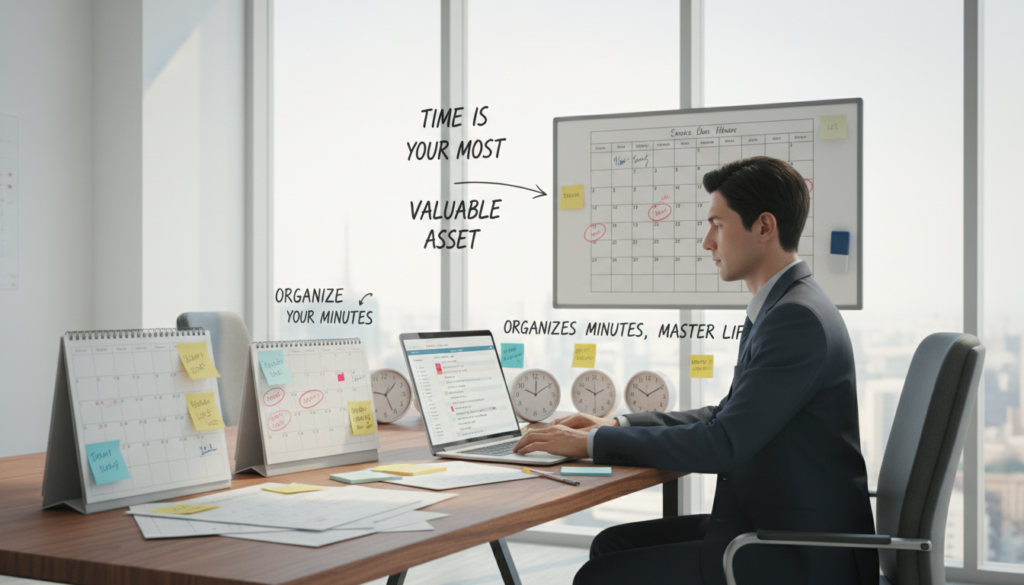
Reliable attendance and clear handling of deadlines make schedules predictable and reduce firefighting for the whole team. This short set of review phrases and coaching tips helps managers note patterns, explain impact, and agree on a simple plan.
Positive comments for attendance and punctuality
“You arrive ready and on time, which keeps meetings efficient and respects the team’s schedule.”
“Thanks for notifying PTO early; it helped us cover tasks without disruption.”
Constructive comments when lateness affects the team
“Late starts have led to repeated status updates and delayed handoffs. Let’s agree on a buffer and a quick catch-up step so others don’t repeat work.”
Prioritization and meeting deadlines consistently
“You broke the project into smaller tasks and hit interim dates, which smoothed the launch and cut escalations.”
“Estimate effort for major tasks and flag timeline changes early so stakeholders can adjust.”
When last-minute rushes and overload happen
“Rushed deliverables increase rework. Try timeboxing or delegating parts of the task, or renegotiate scope when lists get too large.”
Manager tip: ask for a time-management plan without micromanaging
Try this: ask the employee to identify three weekly priorities, set interim deadlines, and flag risks 48–72 hours before a deadline. Agree on milestones and one brief check-in point so you coach progress without hovering.
Simple reliability plan: top 3 priorities each week, interim deadlines, and an early risk flag protocol to prevent surprises.
Quality of Work and Efficiency Performance Review Examples
Accurate outputs and smart workflows cut rework and free time for higher-value tasks.
Positive feedback for accuracy and high standards
“You consistently deliver tasks with few errors, which reduced revisions and sped delivery.”
“Your thorough QA caught inconsistencies before release and saved the team time.”
Constructive feedback for errors and quality gaps
“A missing data field led to extra work downstream. Add a quick pre-submit checklist to avoid repeats.”
“One error increased client edits. For improvement, include a peer check on high-risk tasks.”p>
Productivity phrases that credit streamlining processes
“Your template reduced steps and cut meeting prep time by half; keep documenting processes like this.”p>
Constructive feedback on distractions and bandwidth
“You started several low-value tasks and missed a priority. Protect two hours of focus time each day and flag overload early.”p>
Bandwidth note: “If a task will take more time than planned, tell me two days in advance so we can reassign or extend the deadline.”
| Issue | What happened | Next step |
|---|---|---|
| Accuracy | Few errors on delivered tasks | Keep using the final checklist before submission |
| Rework | Missed fields caused extra edits | Introduce peer review for critical deliverables |
| Processes | Created a reusable template | Share template and measure time saved across two projects |
| Bandwidth | Started low-value tasks instead of priorities | Block focus time and report capacity weekly |
Measurable options: add a pre-submit checklist, schedule a mid-project QA milestone, or require a peer check on high-risk work. These steps cut revisions, speed cycles, and make the link between effort and outcome clear.
Attitude, Adaptability, and Culture Add: Feedback That Protects Morale
Small acts of calm and clarity during stress keep projects on track. Use concise, behavior-focused lines in performance reviews that praise resilience and guide change without blame.
Positive notes for calm and constructive action
“You stayed calm during the outage and proposed two workarounds, which kept the team moving.”
Why it helps: this highlights teamwork and a solution mindset under pressure.
Constructive lines that protect morale
“In the transition meeting you pushed back strongly, which stalled decisions. Pause, clarify the core concern, and offer one alternative so the group can move forward.”
Phrases for adaptability with new challenges
“You learned the new tool quickly and shared tips, helping others adapt to new challenges.”p>
Culture add: recognize behaviors that increase inclusion, respect, and transparency rather than saying someone ‘fits in.’
| Aspect | What to note | Next step |
|---|---|---|
| Calm under stress | Offered clear options during crisis | Document steps and share the quick checklist |
| Resistance to change | Raised objections without alternatives | Ask for one proposed solution next time |
| Adaptability | Picked up new tool fast | Run a short demo for the team |
| Communication under load | Used public chat for urgent notes | Flag risks privately first, then post summary |
Initiative, Dependability, and Leadership: Comments That Encourage Ownership
Ownership shows up when someone closes the loop without being asked and helps the team move faster. Use short, behavior-focused lines that celebrate follow-through and set clear next steps.
Positive phrases that recognize accountability
“You took initiative by removing a blocker for the launch, which kept the project on track.”
“Thanks for closing the loop with stakeholders; that dependability reduced follow-ups and built trust.”p>
Constructive feedback for missed commitments
“Missing the interim deliverable caused extra rework. For less risk, share a quick status each Wednesday so the team can adjust.”
“If an item is delayed, surface the issue early and propose one alternative. That helps others plan and reduces surprises.”
Leadership that grows others without a title
“You mentored two team members on the new tool and delegated tasks so others could practice — that boosted capacity.”
“Coordinating the cross-functional rhythm showed influence without official authority; keep documenting handoffs so the team benefits.”
Supportive, specific leadership feedback
“You could improve how you delegate: name the outcome, set a check-in, and confirm the deadline. That creates clearer expectations and faster results.”p>
Ownership framework: commit to dates; share weekly status; surface risks early; close with outcomes and learnings.
Tie initiative to development and performance management: clearer ownership improves predictability, strengthens trust among team members, and speeds execution. For ready-to-use phrases, see ready-to-use phrases.
Creativity, Problem-Solving, and Customer Focus: Examples for High-Impact Roles
Teams that nurture new ideas and clear problem-solving see faster gains in customer satisfaction and project delivery.
Creativity and innovation phrases
“You proposed new ideas in the sprint that cut cycle time by 20% on the project; please document the steps so others can repeat it.”
“Your creativity helped simplify the workflow and improved quality for the client deliverable.”
Problem-solving and decision-making
“Your data-led fix reduced errors and saved two days of rework. Next step: involve stakeholders earlier so we scale the solution.”
Customer service and follow-up
“You showed empathy on the call, followed up within 24 hours, and closed the loop—this improved retention on that account.”p>
Constructive feedback on response times and consistency
“Response times could improve; set an SLA and flag complex items so we avoid escalations. Aim for consistent updates to stakeholders.”p>
Connecting work to team goals and including others
Tip: link one action to a team goal—reduced churn, faster delivery, or revenue protection—and invite others to replicate the approach.
Conclusion
Finish with clarity: name the action, the owner, and when to check back. This makes a review useful and keeps the team aligned on next steps.
Keep the summary short and behavior-based. Managers should pick a few lines, tailor them to real work, and avoid scripted language so employees know exactly what to repeat or change.
Balance praise and areas to improve. Call out wins, name one growth step, and set a deadline so improvement becomes measurable.
Follow-through matters: confirm goals, agree checkpoints, and document action items in a shared place so progress continues after the meeting.
Regular check-ins prevent surprises and help employees feel seen and supported. Use these phrases as a starting way to build a simple, steady process that fits your team and project needs.