
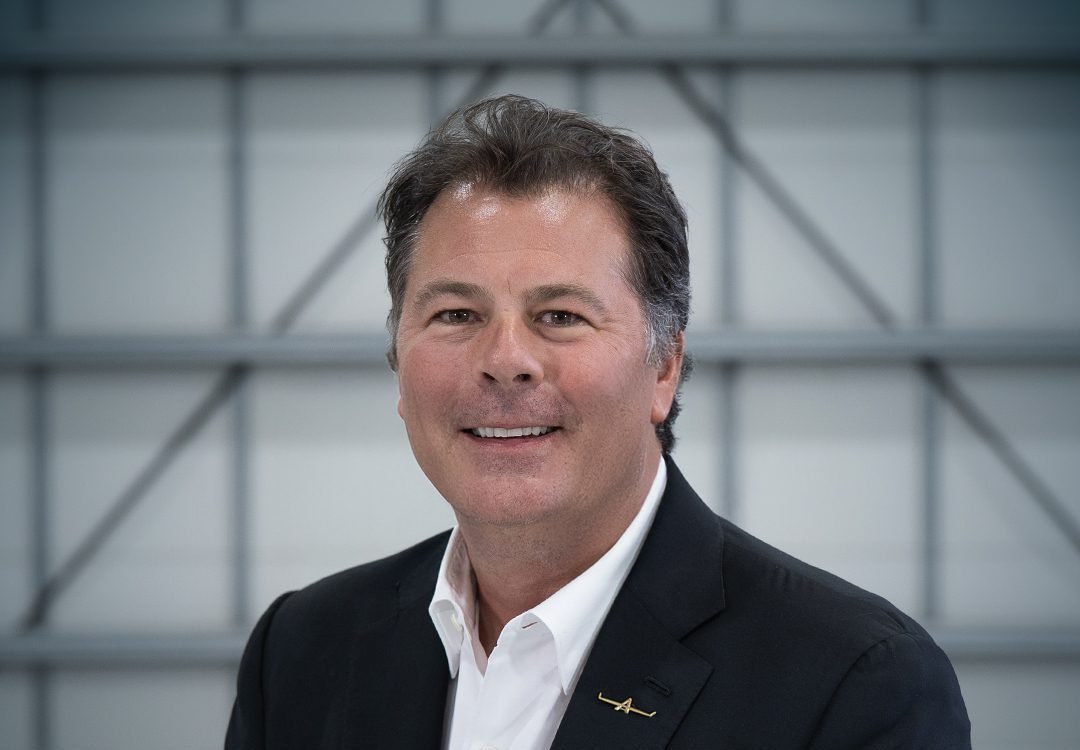

Eric Grilly’s leadership story offers a practical look at trust during disruption. From Cirque du Soleil to Cirrus Aviation Services he emphasizes visibility empathy and consistent communication. His experience shows how leaders can rebuild momentum strengthen teams and protect confidence when circumstances change quickly.
Grilly joins Cirrus Aviation with extensive executive leadership experience across live entertainment, media, and sports. Most recently, he served as President of the Resident Shows Division for Cirque du Soleil, where he led strategy and executive oversight as his team successfully rebuilt the division following its COVID-related shutdown—ultimately surpassing pre-pandemic box office performance across the resident shows and affiliated companies. Previously, he was CEO of VStar Entertainment Group and held leadership roles at Alli Sports (NBC Sports Group) and NBC Sports Regional Networks. He also served as Managing Partner of Velona Ventures, specializing in strategic growth and organizational optimization.
Company: Cirrus Aviation Services
We are thrilled to have you join us today, welcome to ValiantCEO Magazine’s exclusive interview! Let’s start off with a little introduction. Tell our readers a bit about yourself and your company.
Eric Grilly: Thank you, it’s a pleasure to be here and I appreciate the opportunity. I serve as President of Cirrus Aviation Services, the largest private aviation company in Nevada and one of the fastest-growing operators in the country. We provide on-demand charter, aircraft management, and customized travel solutions, all designed around safety, service, and personalization.
My career has spanned leadership roles in media, sports, and live entertainment—from NBC Sports and VStar Entertainment to serving as President of the Resident Show Division and Affiliate Show Division at Cirque du Soleil. In each role, I’ve been drawn to organizations with strong brands, great teams, and untapped potential. Cirrus offered all of that, with the additional opportunity to marry a trusted legacy company with a modern growth mindset.
At Cirrus, we’re combining nearly two decades of client trust with a forward-looking approach to growth, innovation, and service.
Can you share a time when your business faced a significant challenge? How did you navigate through it?
Eric Grilly: When I joined Cirque du Soleil in Las Vegas, I stepped into a globally iconic brand that was performing but aging. Even before the pandemic, average ticket prices and occupancy were in decline.
Leveraging the unprecedented demand for live and shared experiences coming out of the pandemic—and working with an exceptional, aligned leadership team—we applied disciplined strategic planning, dynamic pricing, and a reinvention of our marketing models, particularly with performance media and measured attribution. In Las Vegas, these efforts reestablished occupancy at original show opening levels, delivered the first meaningful increase in average ticket price in nearly a decade, and ultimately produced record box office results.
The most meaningful part was putting nearly 1,800 people back to work. That experience reinforced for me that with discipline, innovation, and focus, even the strongest brands can be revitalized to reach new heights.
How has a failure or apparent failure set you up for later success?
Eric Grilly: When I led the launch of Nick Jr. Live, there was strong interest across Nick Jr.’s franchise properties, anchored by Paw Patrol. Based on these brand’s popularity, linear reach, digital engagement, and retail presence, we anticipated significant demand. But the live show didn’t connect as expected.
That experience underscored a critical lesson: not every brand translates seamlessly across platforms or new concepts. A property that thrives on television or in digital media may not resonate in a live environment without thoughtful adaptation.
That insight has carried through to my leadership at Cirque du Soleil and now at Cirrus Aviation. Whether it’s expanding into new markets, forming partnerships, or launching new services, I always ask how the idea will translate in a new context—and adapt execution accordingly while staying true to the core brand promise.
How do you build a resilient team? What qualities do you look for in your team members?
Eric Grilly: Building resilience starts with people. As leaders, our number one responsibility is to recruit and retain great talent. I look for individuals who are adaptable, collaborative, and solutions-oriented, but also deeply committed to delivering a world-class client experience.
Resilience is modeled at the top. If you expect a team to be adaptable and calm under pressure, you have to demonstrate it as a leader. When people see consistency, composure, and strategic direction in action—not just in words—it sets the tone for the entire organization. That visible example creates a culture that can withstand challenges and come out stronger on the other side.
How do you maintain your personal resilience during tough times?
Eric Grilly: For me, resilience starts with self-awareness. You have to acknowledge frustration or setbacks—but not dwell on them. I’ve found that channeling that energy into purpose is the best way forward.
At Cirque, the responsibility of bringing nearly 1,800 people back to work was a powerful motivator. It reminded me that leadership isn’t just about navigating a company through difficulty; it’s about the human impact of those decisions.
I also prioritize personal anchors—maintaining my health, protecting family time, and leaning on close relationships. Those habits and routines keep me grounded, and that balance allows me to lead with clarity during turbulent times.
What strategies do you use to manage stress and maintain focus during a crisis?
Eric Grilly: In a crisis, clarity is everything. I begin by framing the challenge: what is the exact problem we’re solving, and what does success look like? From there, I break the path into achievable milestones—quarterly, monthly, even weekly wins.
Celebrating those wins is just as important. Recognizing progress boosts morale, and morale drives performance. Progress creates momentum, which is the best antidote to fear or paralysis in uncertain times.
How do you communicate with your team during a crisis?
Eric Grilly: Transparency, visibility, and empathy are key. My first step is always understanding who is most affected and what they need—whether that’s resources, scalable operating models, outside expertise, or simply visible leadership presence.
From there, I make sure communication is clear, consistent, and frequent. People don’t just need to know what decisions are being made—they need to understand why and what’s expected of them. When employees feel informed, supported, and clear on expectations, they’re far more likely to rally together and focus on solutions.
In a crisis, silence fuels anxiety. Clear, open communication builds trust and alignment.
What advice would you give to other CEOs on building resilience in their organizations?
Eric Grilly: Resilience starts with understanding your company—its strengths, its vulnerabilities, and its culture. Leaders must set a clear strategic direction, hold themselves accountable first, and then align the organization behind that vision.
It’s also about culture. When employees feel empowered to contribute ideas, raise concerns, and actively play a role in solving problems, the organization becomes stronger and more adaptable. In my experience, aligned, collaborative, and engaged teams will always outperform those waiting passively for direction.
How do you prepare your business for potential future crises?
Eric Grilly: Preparation begins long before a crisis arrives. At Cirrus, we are focusing on alignment—making sure our people understand the mission, know their roles, and have the agility to adapt when circumstances change.
We are building resilience directly into operations: through strategic planning, training, and strong external partnerships that ensure continuity of service. After a challenge, we will regroup, assess what happened, and apply the lessons forward.
The goal isn’t to predict every disruption—it’s to build a company that can pivot quickly, maintain trust, and emerge stronger from the experience.
What’s the most important lesson you’ve learned about leadership in times of crisis?
Eric Grilly: The most important lesson is that you can’t lead from a distance. Crises are not the time to retreat into strategy alone—they require leaders to stay connected to their people, visible in the work, and actively engaged in solutions.
Equally important is focus. High-stress periods create distractions, but leadership means filtering out the noise and prioritizing what truly matters. When teams see leadership that is calm, listening, confident, and consistent, it builds trust and alignment. That unity is what carries an organization through its most difficult moments.