
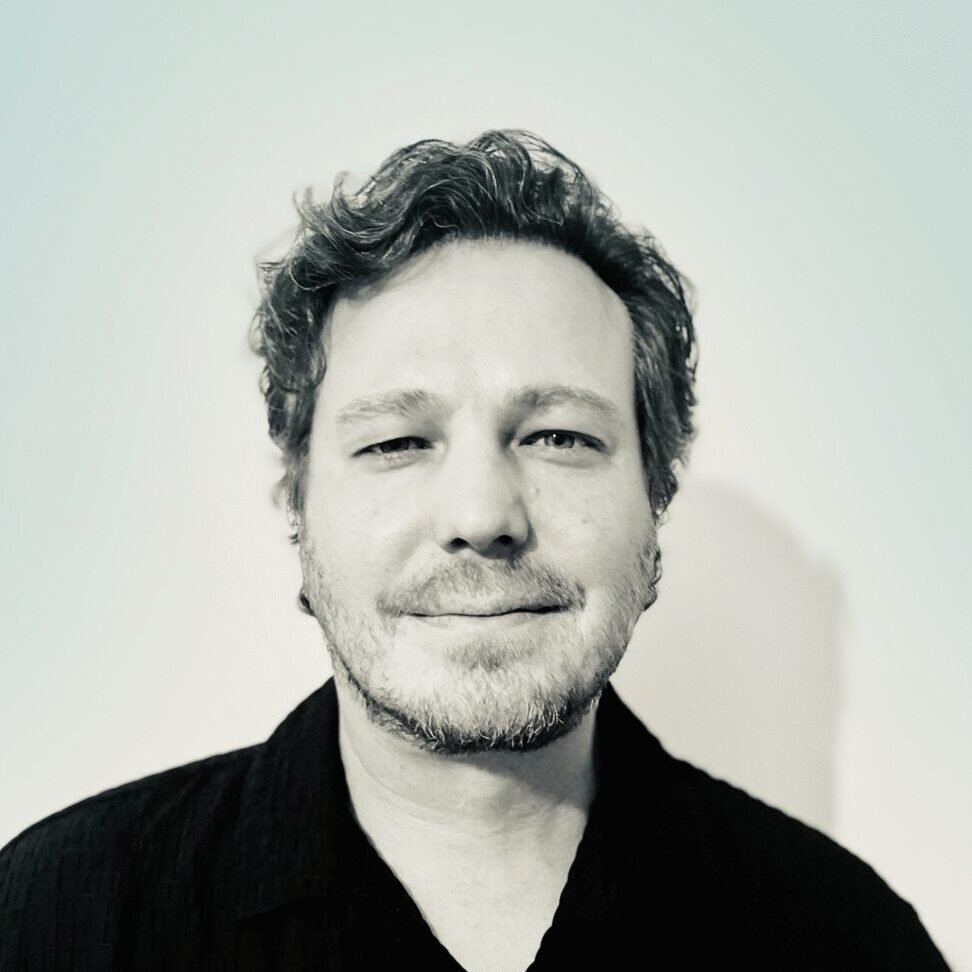

Brian Clark’s journey with United Medical Education shows how trusted relationships with hospitals clinics and first responders can shape a scalable mission. By listening to local needs and refining training with community partners he built credibility for accessible ACLS BLS and PALS education while preserving practical value across expanding markets.
I am a Certified Registered Nurse Anesthetist with over 15 years of experience in clinical practice and healthcare education. As the Founder and CEO of United Medical Education, I’ve dedicated my career to making ACLS, BLS, and PALS certification training accessible to healthcare professionals and the public worldwide. My work focuses on ensuring that all educational materials are accurate, standardized, and based on current clinical guidelines. I hold a Master of Science in Nurse Anesthesia from Wolford College and a Bachelor of Science in Nursing from Barry University, combining clinical expertise with a passion for global health education.
Company: United Medical Education
We are thrilled to have you join us today, welcome to ValiantCEO Magazine’s exclusive interview! Let’s start off with a little introduction. Tell our readers a bit about yourself and your company.
Brian Clark: My experience as a nurse anesthetist in high-pressure hospital environments made me realize that many healthcare professionals struggled to find quality resources during emergencies. That realization stayed with me throughout my nursing career, inspiring me to create a solution that would provide access to lifesaving education for all, regardless of location. I founded United Medical Education with the vision of making ACLS, BLS, and PALS training available to anyone who needed it. What began as a personal initiative has grown into a respected global platform serving millions of users. The mission that started it all remains the same, “saving lives through knowledge”.
What role did your local community play in the early days of your business, and how did those roots shape your company’s mission or growth strategy?
Brian Clark: My community was instrumental in the formation of United Medical Education and has had an ongoing impact on its development. The input from local hospitals, clinics, and first responders was used as the basis for the format of our educational content because they needed accessible, quality medical education, but did not have the time or money to pay for the typical type of course. My relationships with those early collaborators also reinforced my conviction that education should be available regardless of where someone lives and regardless of their financial means. Today, that same commitment to a “community-based” approach is still driving the direction of our future growth plans, including our focus on increasing the availability of our services globally while continuing to maintain the real-world application that we developed through our initial experiences at the local level.
Can you share a specific community initiative or partnership that significantly boosted your business’s credibility or reach, and how it paved the way for global expansion?
Brian Clark: I partnered with several regional community hospitals in need of consistent training on ACLS and BLS, which they require their clinical staff to obtain for their job. I collaborated with those hospitals’ education departments to modify our online training programs to meet their specific requirements for credentialing. Once we had accomplished this collaboration, it developed an environment of mutual respect within the regional health care community and consequently established United Medical Education as a reliable source of compliant, evidence-based training. This regional credibility provided us with the impetus to continue to attract the attention of large hospital networks and international organizations, which ultimately contributed to our global presence. So, what was originally a regional partnership has evolved into the basis for our worldwide presence. The fact that we have been able to provide accessible and accurate training while maintaining the quality of that training demonstrates that quality does not necessarily have to be sacrificed when trying to achieve widespread availability.
How do you balance maintaining authentic local ties with the demands of scaling your business to a global audience?
Brian Clark: Starting at a grassroots level and keeping the same values of United Medical Education when it was created is what allows us to grow globally while remaining true to the communities that we have been working with since we began. We still work directly with many of the small hospitals and community clinics and their educators, the same ones that helped support us as we were developing this platform. They provide us with the information we need to create practical and realistic learning materials for our users. At the same time, we are able to share these same systems across the globe because they can be scaled. Each update to the content in our courses, each new partner we add, continues to reflect the same purpose of community-driven education that we had when we started, and to make sure that the medical education provided by United Medical Education is accessible, accurate, and meaningful for everyone.
What’s one unexpected challenge you faced when leveraging community support, and how did you overcome it to strengthen your business?
Brian Clark: One unforeseen challenge was keeping all of my community partners’ training consistent, even though they each have different levels of medical knowledge and access to resources. In the beginning, I noticed that some of my partner organizations were modifying training materials for their own routine purposes and, in doing so, were at risk of losing the medical accuracy within those critical procedures. So, I developed a common, systematic way to review all of the content of courses that ensured that all courses met the same evidence-based standards as used in the national certification exams. Also, I created an open-door feedback policy between me and the clinical educator to make sure that any new information would be relevant to current practice, preserving my reputation and building confidence and trust over time with both local and international partners.
What advice would you give to other CEOs looking to build strong local roots as a springboard for global success?
Brian Clark: First, address the urgent needs in your neighborhood. The impact you can have on a worldwide basis will begin once you understand what is needed in your neighborhood and develop effective answers to those needs. Your local partnerships will provide you with valuable lessons regarding trust, flexibility, and responsibility, which are important when you expand to a worldwide population. The same responsive attitude that earned the trust of your local supporters should be continued when you grow your systems. Each successful global business model started with credibility built at the local level, and it is maintaining this authenticity as its systems grow, which makes for long-term sustainability and growth.