
Full original interview → https://valiantceo.com/ai-evolution-with-rafsan-bhuiyan-of-orion/

Rafsan Bhuiyan explains how OrionQ connects lead generation; marketing; and sales through coordinated AI agents. His approach focuses on better timing; richer customer context; and thoughtful human handoffs. For networking leaders; the lesson is clear: automation can create more room for genuine conversations instead of replacing them.
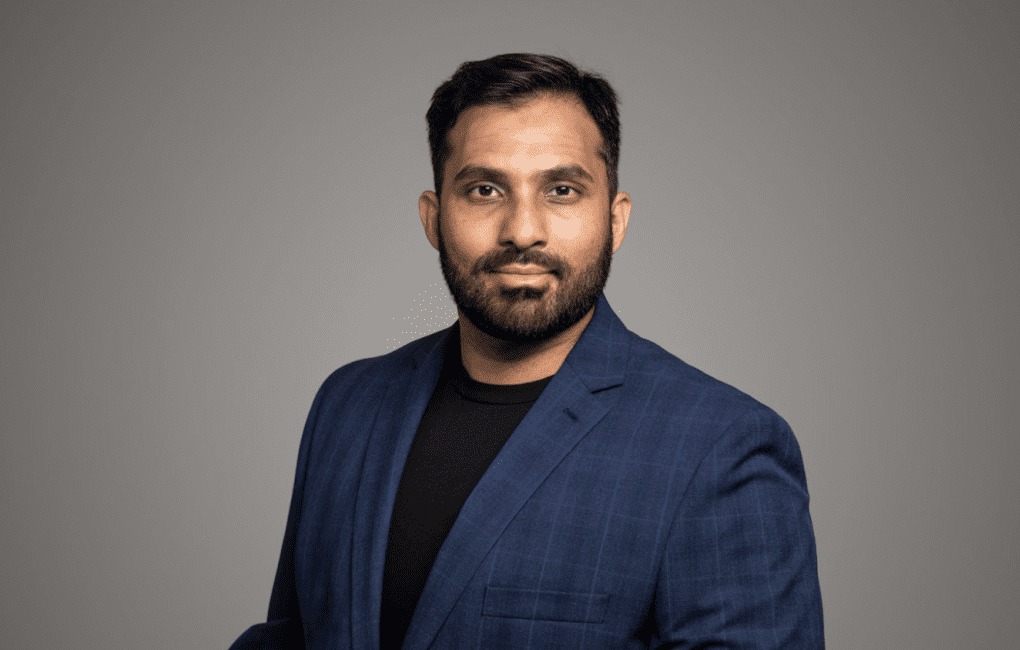
Rafsan Bhuiyan is the Founder & CEO of OrionQ, an AI RevOps platform built to unlock the $3 trillion in missed enterprise revenue. A decorated U.S. Army veteran and enterprise AI strategist, Rafsan has led large-scale AI transformations at Fortune 500 companies including T-Mobile and CarMax, where his work drove billions in revenue impact. Today, he combines his military discipline, engineering expertise, and entrepreneurial drive to pioneer intelligent AI agents that streamline lead generation, marketing, and sales—all designed to augment people, not replace them.
Company: Orion!
We are thrilled to have you join us today, welcome to ValiantCEO Magazine’s exclusive interview! Let’s start off with a little introduction. Tell our readers a bit about yourself and your company.
Rafsan Bhuiyan: I’m Rafsan Bhuiyan, founder and CEO of OrionQ, an AI RevOps platform based in Colorado. My journey has taken me from serving in the U.S. Army to building billion-dollar personalization engines at CarMax, to leading AI adoption at T-Mobile with OpenAI. At every step, I saw the same problem: sales and marketing tools didn’t talk to each other, and companies were leaving billions on the table.
OrionQ was my answer. We built three AI agents (LeadGen, Marketing, and Rev (Sales)) that work together as one “brain.” They enrich leads with geospatial and climate data, run sentiment-aware campaigns, and even book meetings via phone, SMS, or email. Our mission is to unlock the $3 trillion in missed enterprise revenue by freeing teams from busy work so they can focus on building real relationships
What specific areas of your business have been most impacted by AI, and how?
Rafsan Bhuiyan: For us, AI isn’t just a feature; rather, it’s the operating system of the company. The biggest impact has been in revenue operations:
– Lead generation is no longer about static lists. Our AI enriches data with climate, geospatial, and trend signals, cutting enrichment costs by 60% while improving conversion.
– Marketing became faster and smarter; sentiment analysis helps us generate campaigns that resonate, reducing customer acquisition costs.
– Sales follow-ups shifted from human bottlenecks to autonomous agents that recover missed leads, book meetings, and hand off warm prospects at the right moment. By aligning all three functions under one “AI brain,” we’ve removed silos and turned revenue into a predictable, measurable process.
How are you ensuring ethical considerations are taken into account in your use of AI?
Rafsan Bhuiyan: Ethics are non-negotiable for us. As a disabled veteran, I believe technology should empower people, not replace them. That’s why “Human-Centric AI” is one of our core values. OrionQ’s AI agents are designed to handle repetitive, time-consuming tasks, while always deferring to people for high-stakes conversations or decisions. They never extend pricing, negotiate contracts, or make legal promises. If the deal value is high or if sentiment shows hesitation, the system instantly transfers to a human, with a tight summary for context.
We also practice radical transparency: every action an AI agent takes can be traced, measured, and explained. And because we work with sensitive client data, we’re pursuing SOC II compliance and design everything with security-first principles.
Transparency is also key. Our usage-based QTokens mean every action is traceable back to revenue impact, so there’s no smoke and mirrors.
What advice would you give to other CEOs looking to integrate AI into their business?
Rafsan Bhuiyan: Start with frameworks, not tools. Too many leaders get caught up chasing the “latest AI app” without asking what real problem they’re trying to solve. Define the bottlenecks in your business first, whether it’s slow lead follow-up, high churn, or wasted ad spend, then map AI into those workflows. Second, make education a priority. At T-Mobile, I taught executives how to design their own GPT workflows, and the ripple effect was massive. When leaders understand the framework, adoption spreads naturally.
And finally, be outcome-obsessed: don’t pay for shelfware or vanity metrics, tie AI adoption directly to revenue or efficiency gains.
How do you see AI evolving in your industry over the next 5 years?
Rafsan Bhuiyan: I see AI becoming the invisible backbone of revenue teams. In the next five years, every company will expect its revenue operations to run on “autopilot,” from prospecting to campaign execution to customer retention.
But the differentiator won’t just be automation; it will be empathy. AI that understands context, sentiment, and timing will create more authentic handoffs between machines and humans.
I also see AI becoming industry-specific, not generic. A construction firm’s AI agent will understand seasonal demand for sprinkler systems, while a real estate firm’s will predict which homeowners are likely to sell based on geospatial and sentiment signals.
That’s where we’re headed: AI agents that not only speed up the process but also make customer experiences more human, not less. The companies that embrace that shift early will own the competitive edge.