Full original interview → https://valiantceo.com/robin-luo-from-rantle-east-electronic/

Discover how Robin Luo’s leadership at ICRFQ adapts to the evolving needs of talent in today’s workforce
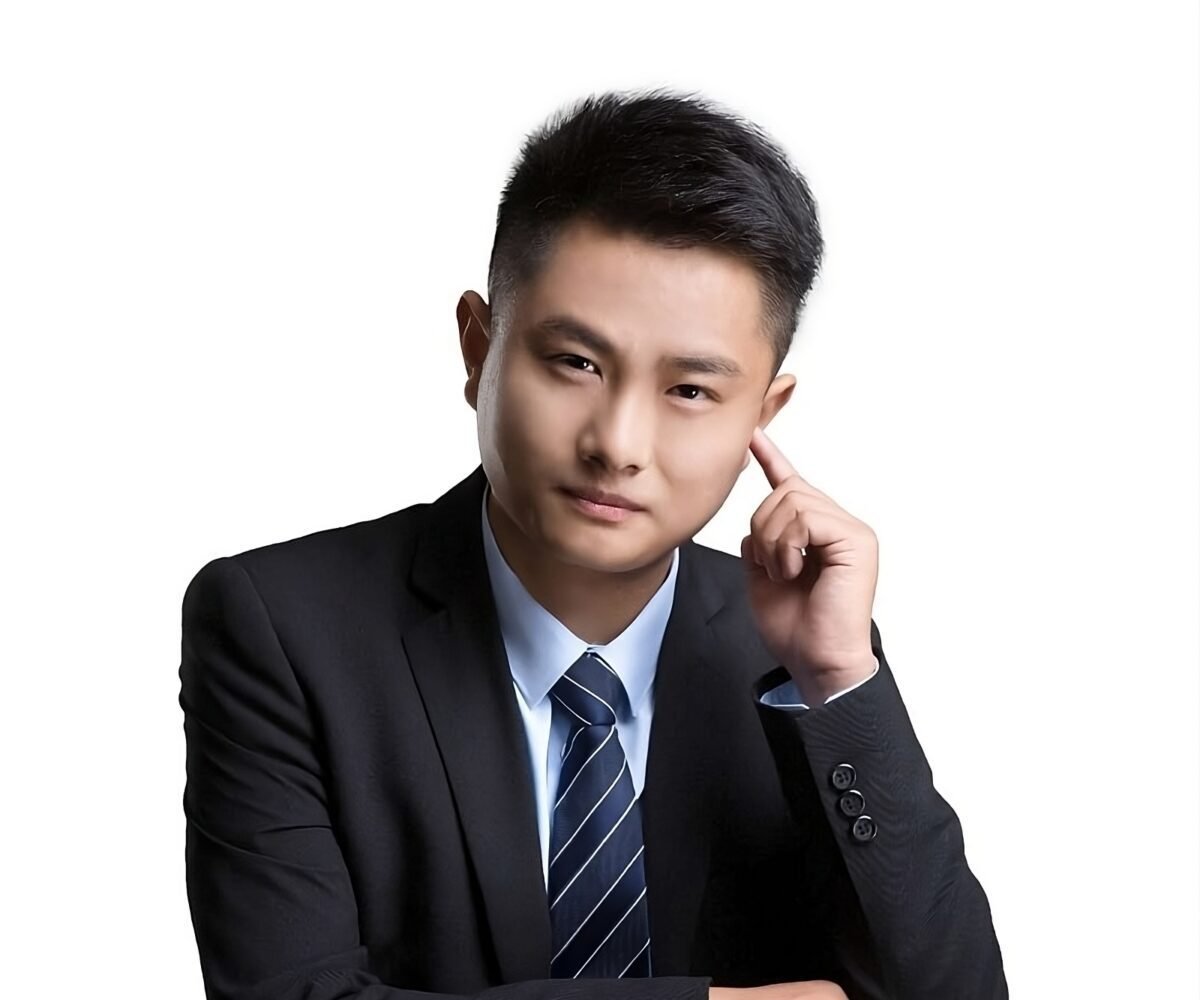
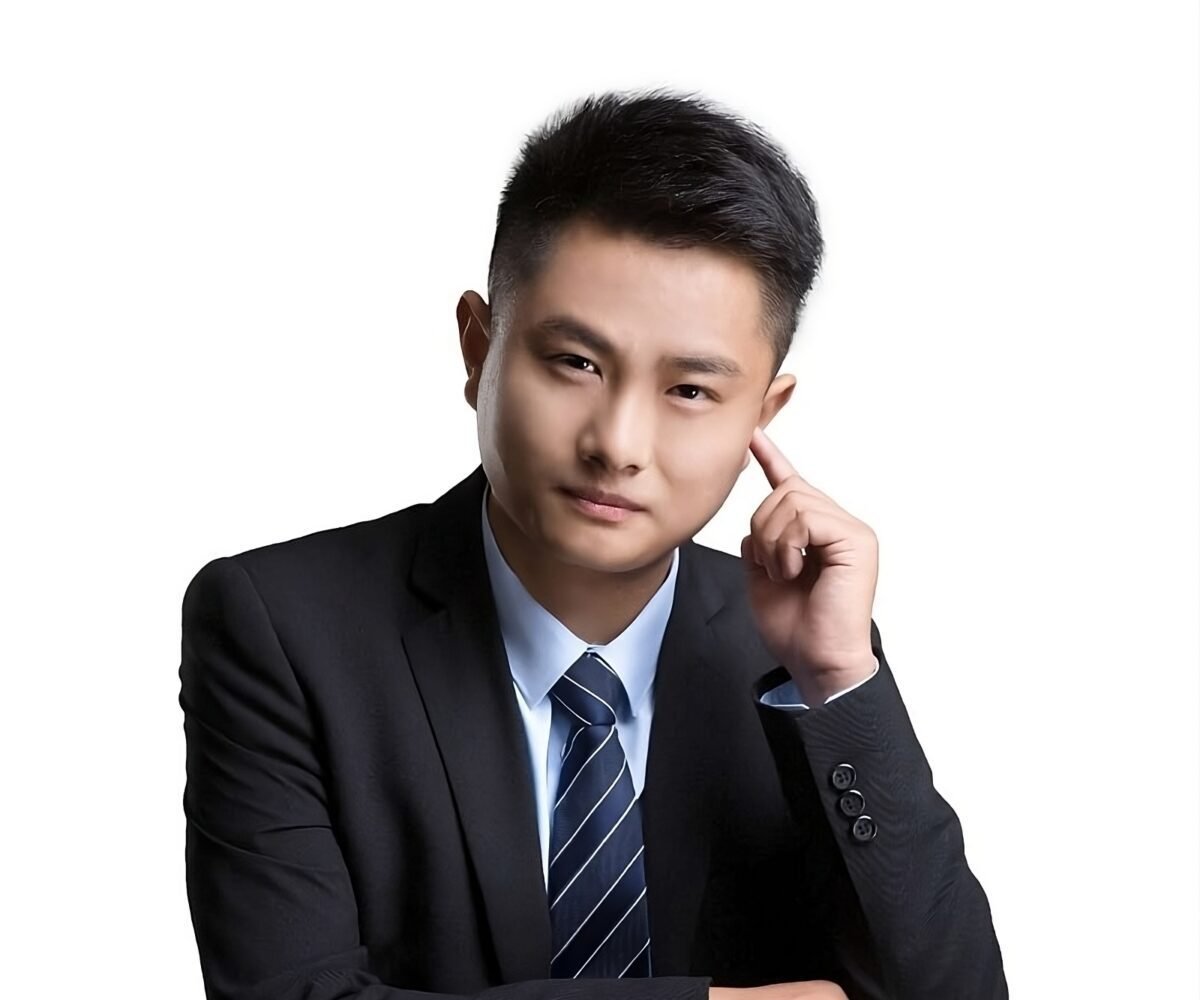
I am Robin Luo, electrical engineer, founder of ICRFQ, and expert in electronic component sourcing with a commitment to cost-effective solutions, exceptional customer service, and timely delivery.
Company: Rantle East Electronic
We are thrilled to have you join us today, welcome to ValiantCEO Magazine’s exclusive interview! Let’s start off with a little introduction. Tell our readers a bit about yourself and your company
Robin Luo: My name is Robin Luo, and I am the founder of a company called ICRFQ, which is based in the bustling commercial hub of Hong Kong. For the past 13 years, I’ve dedicated myself to the electronics industry, bringing a blend of technical expertise and strategic innovation to the table.
ICRFQ is more than just a company to me—it’s a mission to provide high-quality electronic components to businesses worldwide. We specialize in making the impossible possible by sourcing obsolete and hard-to-find components for Original Equipment Manufacturers (OEMs), contract manufacturers, and repair services. My engineering background has been instrumental in understanding the intricate needs of our clients and helping them navigate the challenging terrain of electronic components supply.
Our company stands out for its exceptional client service, timely delivery, and a commitment to quality that never wavers. It’s been a rollercoaster ride of challenges and achievements, especially when it comes to sourcing those elusive components that our clients desperately need. We pride ourselves on a fast response time and a free expert component sourcing service that we tailor to each client’s unique requirements.
The electronics industry is fiercely competitive, and I’ve strived to set ICRFQ apart by offering services that go beyond the conventional. By focusing not on profits, but on the value we can add to our clients’ operations, we forge a path of authenticity and trust.
How has your approach to leadership evolved to meet the changing expectations of today’s workforce, especially regarding remote and hybrid work?
Robin Luo: My approach to leadership within ICRFQ has definitely evolved over time, especially with the advent of remote and hybrid work environments. As the founder and manager of a company that thrives on technical precision and strategic communication, I’ve had to embrace a leadership style that is both flexible and supportive to meet the changing expectations of our workforce.
When the global shift to remote work began, I recognized early on that it wasn’t just a temporary change, but rather a paradigm shift in how we define the workplace. As someone heavily invested in the success and welfare of my team, I took several actionable steps to adapt to this new reality.
I worked to build a company culture that encourages open and transparent communication, regardless of whether our team members are working from the office, from home, or halfway across the world. This meant investing in the right tools and technologies that facilitate seamless collaboration and ensuring that team members are trained to use them effectively.
Being in the electronics industry where details are paramount, I emphasized the importance of creating clear, structured workflows which allow for accountability and efficiency, without overwhelming our team members. This has involved setting clear goals and expectations, but also providing the autonomy for our team to manage their own schedules and workflows as they see fit. This respects their need for flexibility, while maintaining the high standards of service and quality our clients expect from ICRFQ.
Another significant leap has been in nurturing trust and fostering a sense of unity among our dispersed workforce. This means recognizing and celebrating team achievements, providing opportunities for professional development, and ensuring that every voice is heard and valued.
We also prioritize work-life balance as a core company value. I believe this is crucial, especially with remote work, where the lines between personal and professional life can become blurred. Keeping our team healthy, motivated, and engaged is as important as meeting the bottom line.
What specific strategies have you implemented to foster Diversity, Equity, and Inclusion (DEI) within your organization?
Robin Luo: As the founder of ICRFQ, I recognize the profound importance of Diversity, Equity, and Inclusion (DEI) in creating not only a healthy workplace but also in driving innovative solutions that cater to a global clientele. Here are some of the specific strategies I’ve implemented within our organization:
-Inclusive Recruitment: We’ve diversified our recruitment channels and adopted a blind recruitment process where possible, focusing on candidates’ skills and qualifications rather than their background or identity. This approach helps mitigate unconscious biases and ensures a diverse pool of talent can contribute to our organization.
-Flexible Work Arrangements: To support our diverse team, we offer flexible work schedules and remote working options. This policy acknowledges and accommodates different personal circumstances, whether it relates to family responsibilities, religious practices, or other needs unique to individuals.
-Employee Resource Groups (ERGs): We encourage the formation of ERGs within ICRFQ to provide support networks for employees from underrepresented groups. These groups empower employees to have a voice and share their perspectives, thereby influencing company policies and practices.
-DEI Goals and Accountability: As a company, we’ve set clear DEI goals and incorporate them into our business strategy. We ensure accountability by tracking our progress and sharing results with the entire organization. This transparency holds us all accountable for promoting DEI within our workplace.
-Supplier Diversity: We honor our commitment to DEI by engaging with and supporting suppliers from diverse backgrounds. This not only expands our network but also reinforces our company values to our partners and clients.
Implementing these DEI strategies within ICRFQ is part of our ongoing commitment to fostering an inclusive culture that reflects the diversity of the global market we serve. We believe that by valuing diverse perspectives and ensuring equitable opportunities, we not only build a more vibrant and innovative organization but also drive better service and solutions for our clients.
How do you keep your team engaged and motivated in a workplace culture that increasingly values flexibility and work-life balance?
Robin Luo: In my role at ICRFQ, I recognize the critical importance of balancing the needs of our business with the well-being of our team. To maintain high levels of engagement and motivation, I emphasize the value of flexibility and work-life balance. Here’s how I approach it:
Communication and Understanding:
Firstly, I make it a priority to understand the individual needs and preferences of each team member. Open communication is key – I listen to their feedback and adapt our work environment accordingly. This helps us foster a supportive culture where everyone feels heard and understood.
Goals and Responsibilities:
I ensure that everyone is clear on the goals and expectations of their role. By setting clear objectives and providing the resources they need to achieve these goals, I empower my team to take ownership of their work, which naturally drives engagement and motivation.
Flexibility in Work Arrangements:
Recognizing the diverse needs of our team, I support flexible work arrangements. Whether it’s remote working options or flexible hours, I strive to accommodate different working styles and life commitments. This not only helps in maintaining work-life balance but also demonstrates trust in our team to manage their own time effectively.
Encouraging Time Off:
I encourage my team to take their vacation time and to truly disconnect during their time off. Rest is essential for creativity and productivity, so I promote an environment where taking time off is not only accepted but celebrated.
Professional Development:
Investing in the professional growth of our team is another way I keep them motivated. By providing training opportunities and clear pathways for career progression, our team members feel motivated to continue learning and advancing within the company.
Recognition and Appreciation:
Acknowledging hard work and celebrating successes, big or small, is part of our culture at ICRFQ. Regular recognition helps keep morale high, and everyone feels appreciated for their contributions.
Creating Community:
Lastly, building a sense of community within the workplace is crucial. We organize team-building activities and social events that foster relationships and camaraderie beyond the scope of daily tasks.
In essence, engaging and motivating a team in today’s flexible work culture is about creating a supportive environment where team members can thrive both professionally and personally. I believe by implementing these strategies, we help ensure that our team at ICRFQ remains dynamic, committed, and ready to meet the challenges of the electronics industry.
What do you see as the biggest challenges in preparing for the future workforce, and how are you addressing them?
Robin Luo: One of the greatest challenges is staying abreast of the rapidly evolving technology landscape. This requires continuous learning and development to ensure our team possesses the necessary skills to meet the changing demands. To tackle this, at ICRFQ, we’ve implemented ongoing training programs that focus on both technical proficiencies and soft skills such as problem-solving and strategic thinking.
Another key challenge is attracting and retaining top talent in a competitive market. To address this, we have fostered a company culture that values innovation, collaboration, and employee growth. By offering opportunities for advancement and creating a supportive environment, we’ve become an employer of choice for many skilled professionals in the electronics industry.
Adapting to the shifts in global supply chains has also been a critical challenge, especially considering the unpredictability brought on by events like the COVID-19 pandemic. My approach has always been proactive, emphasizing flexibility in our sourcing strategies and building strong relationships with suppliers and manufacturers across different regions. This has positioned us to react swiftly to market changes and meet our clients’ needs without compromise.
Finally, the increased focus on sustainability and ethical practices is reshaping the industry. We’re actively integrating these considerations into our operations and decision-making processes, ensuring that we not only comply with regulations but also exceed expectations when it comes to corporate social responsibility.
In summary, preparing for the future workforce at ICRFQ entails a commitment to continuous education, creating a positive work culture, strategic agility in supply chain management, and upholding strong ethical standards. It’s an ongoing process that I am deeply involved in, constantly seeking innovative ways to adapt and thrive in the dynamic electronics industry.
How has the shift toward digital and remote collaboration affected your company culture, and what adjustments have you made to maintain a strong, cohesive team?
Robin Luo: The shift toward digital and remote collaboration has been quite significant for us, as for many companies globally. It posed certain challenges to our company culture, which is based on close-knit relationships, swift communication, and hands-on problem-solving. However, we’ve embraced this shift as another facet of innovation and responded with intentional adjustments to maintain our strong, cohesive team.
Initially, the absence of face-to-face interactions was felt deeply. To combat this, we increased the frequency of our virtual meetings and ensured they weren’t just focused on work but also included time for personal connections and team building. We’ve leveraged collaboration tools that allow us to maintain the same speed and quality of communication that we had in the office. Platforms like Slack, Microsoft Teams, and Asana have become central to our daily interactions.
We also revised our goals and metrics to align with the remote setup, ensuring they are clear, reachable, and fair in the context of remote work. We moved our emphasis towards results and productivity, rather than hours spent, and recognize and celebrate individual and team achievements more publicly within the company.
A key aspect has been trust and flexibility. I believe in the importance of trusting my team members to manage their schedules to maintain work-life balance and remain productive. This trust has fostered a responsible and proactive company culture even within a remote setting.
In terms of maintaining our company culture, we’ve had to be more deliberate in our communication and ensure that our company values are embedded in everything we do, from virtual onboarding processes to day-to-day operations and client interactions. We’ve conducted virtual training sessions and workshops to ensure that all team members remain aligned with our company values and customer-first approach.
Finally, we made mental health and well-being a priority. Providing resources and support for team members who feel isolated or are coping with the convergence of home and work life has been crucial.
Overall, these adjustments have not only helped us maintain our strong, cohesive team but have also enhanced our resilience and innovation. They’ve prepared us for a future where digital and remote collaboration will likely continue to play a significant role in the electronics industry and beyond.