
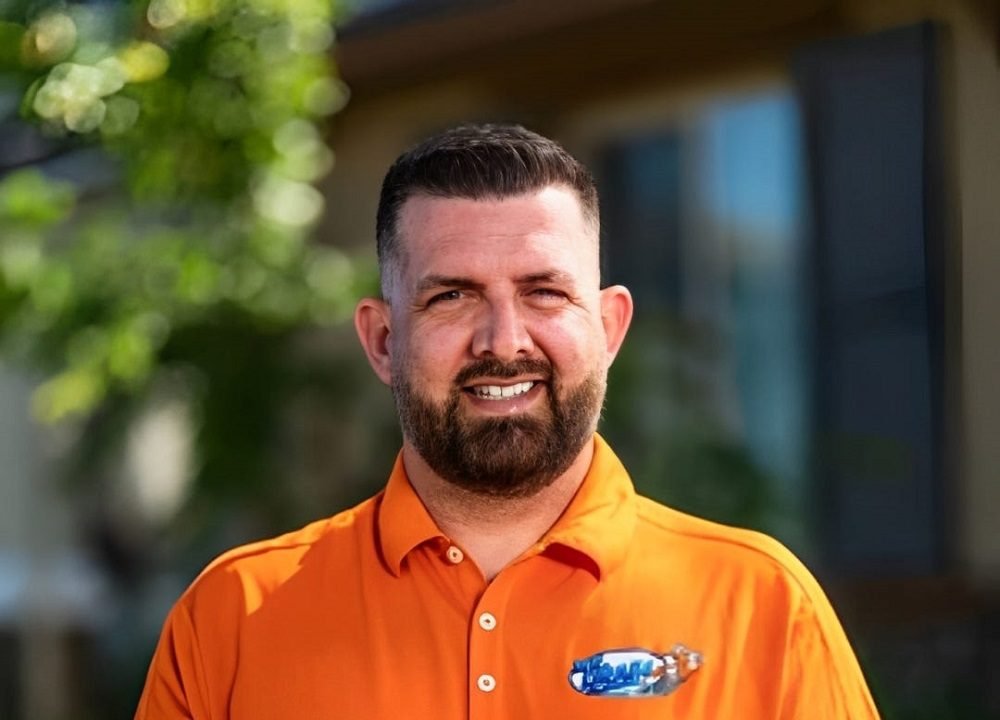

Patrick Fee’s journey at Mr. Drain shows how relationship-driven leadership can support ambitious growth. After years in plumbing and home services; Fee and co-founder Greg built a people-first company around standards; training; and customer trust. The interview offers practical lessons for leaders scaling teams without allowing speed to erode service quality.
Patrick Fee brings over 25 years of hands-on plumbing experience and leadership to Mr. Drain. With a background in engineering and roots in the new construction industry, Patrick eventually transitioned into residential plumbing, where he found his passion for customer-focused service. Over the past decade, he has moved from fieldwork into executive roles, helping scale multiple companies from $10–$20 million to over $100 million in annual revenue.
At the heart of Patrick’s philosophy is a focus on people — both customers and employees. Driven by a commitment to quality and efficiency, Patrick co-founded Mr. Drain with longtime colleague Greg. Together, they’ve built a team of seasoned professionals serving Sacramento County with top-of-the-line residential plumbing services. Today, Mr. Drain runs over 30 trucks and is known for tackling everything from routine service calls to complex sewer replacements.
Company: Mr. Drain
We are thrilled to have you join us today, welcome to ValiantCEO Magazine’s exclusive interview! Let’s start off with a little introduction. Tell our readers a bit about yourself and your company.
Patrick Fee: I’m Patrick Fee, co-founder of Mr. Drain Plumbing. I bring over 25 years of experience in the plumbing industry, starting in new construction and eventually transitioning into residential service, where I discovered my true passion — delivering high-quality, customer-focused solutions. Over the past decade, I’ve helped scale multiple home service companies to over $100 million in annual revenue. At Mr. Drain, which I co-founded with my longtime colleague Greg, we’ve built one of the fastest-growing residential plumbing companies in Northern California. We operate over 30 trucks, serve thousands of homes across Sacramento County, and specialize in everything from simple service calls to large-scale sewer and repipe projects. Our focus is on same-day service, exceptional customer experience, and a team-first culture that attracts top-tier talent.
What were the most significant challenges you faced during the scaling process, and how did you overcome them?
Patrick Fee: One of the biggest challenges was hiring fast without lowering our standards. In a high-growth environment, filling roles quickly is tempting, but we refused to compromise on talent. We overcame this by implementing a structured recruiting pipeline, offering above-market pay, and building a company culture that top performers want to be part of.
But more importantly, we learned that every step of scaling must be intentional. Growth for the sake of growth leads to waste, inefficiency, bad reviews, and high turnover. To scale successfully, you need solid operations backed by proper training, SOPs, automation, and cash flow reserves for each new level of expansion. We planned, saved, and trained ahead; that’s made all the difference.
One tool that’s been a major game-changer for us is AI integration. We use AI to boost the productivity of every employee, from automated workflows and customer follow-ups to sales coaching and dispatch support. It’s helped us stay lean, efficient, and scalable without burning out our team.
How did you ensure that your company culture remained intact as your business expanded?
Patrick Fee: We were intentional from day one. Culture isn’t something you define later; it’s built into every hire, every process, every meeting. We established a “standards over shortcuts” mindset early on, and we reward behaviors that align with our values.
We hold the highest standards and expectations, and we’re uncompromising in upholding them across the entire organization. That clarity has allowed us to move fast without losing what makes our company special.
We also use apps that gamify performance metrics and KPIs (like five-star customer service, on-time performance, and solution-focused upselling), rewarding individuals, teams, and even holding department-wide competitions. This not only encourages the right behaviors, but keeps our team excited, engaged, and united around shared goals. The result? A workplace culture that’s both high-performing and fun to be a part of.
What strategies did you employ to maintain quality and customer satisfaction while scaling rapidly?
Patrick Fee: The key was building scalable systems before scaling the business. We developed clear, documented SOPs for every part of the customer journey, from how the phones are answered to how technicians present multiple solution options on-site. These SOPs are trained, reinforced, audited, and improved constantly.
We also introduced real-time job auditing, where dispatchers verify performance before assigning the next job. This ensures quality isn’t just assumed. Instead, it’s tracked, coached, and corrected in real time.
We use AI-driven tools to enhance efficiency across the board, from automated customer follow-ups to AI-based sales feedback and technician coaching. This allows every employee to operate at their highest level without added stress.
And just as importantly, we keep our team focused and motivated using gamification. Our techs and CSRs are rewarded for hitting service standards, customer satisfaction goals, and upsell benchmarks, both individually and through team competitions. It keeps the energy high and the results consistent.
Can you share a specific turning point that was crucial for your business’s successful scaling?
Patrick Fee: One of the biggest turning points came in the first two weeks of launching Mr. Drain. Instead of winging it, we created a detailed 8-year scaling roadmap, month by month. We forecasted truck count, revenue goals, staffing needs, and operational requirements. Most importantly, we allocated the capital and created the systems needed to support that future growth.
That kind of premeditated planning gave us a huge advantage. While others scale reactively, we scaled with intention. We knew what talent we’d need and when, what systems had to be in place, and what cash flow was required. We even planned for setbacks.
That discipline allowed us to stay focused and avoid being distracted by shiny opportunities that didn’t serve the long-term vision. We stayed lean, repeated what worked, and let consistency drive the compounding results.
How did you manage the financial aspects of scaling, particularly in securing funding and maintaining cash flow?
Patrick Fee: We didn’t chase funding. We planned our growth in advance and funded it with intention. Every hire, every truck, every new software system was budgeted before it was needed. We started with the mindset that cash flow is oxygen, and we refused to suffocate by overreaching.
Operational efficiency is a big part of our cash flow success. We’ve built lean systems, avoided waste, and used automation and AI to maximize productivity per employee. That means more output without bloated overhead, which translates to a healthier bottom line.
Because of this disciplined approach, we scaled from $0 to over $7 million in revenue in our first year, with a 25% profit margin. And we’re on track to double that in our second year without taking on any outside debt or sacrificing service quality.